
 By
By 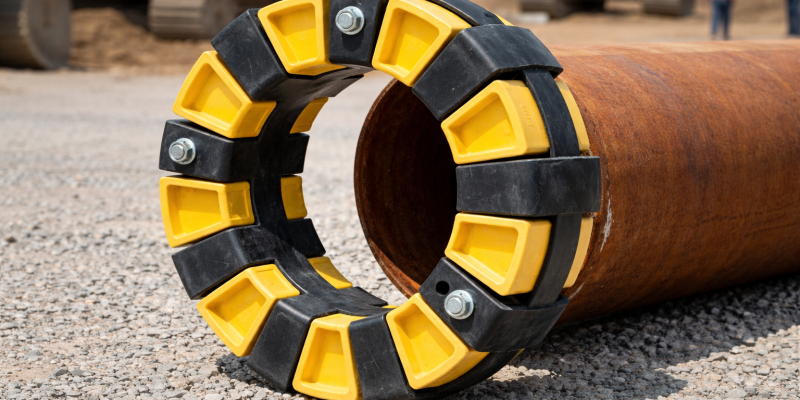
Introduction
Electrical systems require proper insulation for their safe and reliable operation. Casing insulators serve as essential components among the various insulating materials used in electrical equipment. The tiny system component affects three critical factors because its high quality directly determines electrical safety, equipment performance, and equipment reliability. To understand their importance, it is necessary to understand what casing insulators are and why their quality matters in modern electrical systems.
What Is a Casing Insulator?
The casing insulator serves as a protective electric insulation element that protects electrical equipment by creating a barrier between live wires and the device’s external casing and its grounded parts. Electrical current normally travels through conductors such as copper or aluminum, but without proper insulation, it can reach unwanted areas and create safety risks.
Benefits
Improved Electrical Safety
The main advantage of high-quality casing insulators provides better protection against electric hazards. A dependable casing insulator separates live parts from the device casing with effective protection. The insulation system protects against unintentional electric shock while creating a secure environment for both operators and maintenance workers.
Lower Risk of Electrical Fires
Electrical fires occur because of three main reasons, which include insulation failure, equipment overheating, and short circuit incidents. The development of advanced casing insulators requires engineers to select materials that can endure both extreme temperatures and electrical load testing without any material degradation. This significantly reduces the risk of fire in industrial and high-load electrical systems and helps maintain safety during long-term operation.
Enhanced Equipment Reliability
The electrical system requires insulation to maintain its operational reliability through consistent insulation performance. Insulators with poor quality cause leakage currents and voltage changes, which result in unanticipated system breakdowns. The operational performance of systems depends on high-quality casing insulators, which control electricity flow to designated areas. The improved reliability of the system decreases operational interruptions while enabling unbroken, efficient business operations.
Extended Service Life of Electrical Equipment
Electrical equipment is a major investment, which requires proper maintenance to ensure its operational lifespan. The internal components of electrical devices receive protection against electrical stress and potential damage through the use of high-quality casing insulators. The equipment extends its operational life because they minimize damage that occurs from overheating and leakage. The system maintenance expenses decrease over time while the system’s overall value increases.
Reliable Performance in Harsh Environments
Many electrical systems function in difficult conditions where their insulation performance suffers from heat, moisture, dust, and chemical exposure. Casing insulators of superior quality protect against these environmental conditions while preserving their ability to insulate. Their construction provides permanent protection because they operate successfully in both industrial environments and outdoor locations, which require complete operational safety.
Compliance with Safety and Quality Standards
Manufacturers produce high-quality casing insulators through their adherence to established electrical and safety standards. The organization achieves consistent performance through its safety standards and reliability requirements. They can fulfill regulatory obligations through the use of certified components, which also decrease the possibility of safety problems during inspections or audits.
Safer Operation and Maintenance
The work of maintenance personnel requires them to handle electrical equipment during their tasks. Insulators with superior quality casing insulators deliver reliable protection, which minimizes the chance of accidental contact with energized components during maintenance work. The extra protection system enables maintenance work to proceed more securely while technicians can complete their tasks better and faster.
Conclusion
The high-quality casing insulators establish essential electrical safety standards that enhance system performance and extend equipment durability. The system functions better because it prevents electric shock while it reduces fire hazards and enables users to operate equipment safely in extreme environments. The choice of casing insulator requires more than technical compliance because it establishes the foundation for safer and more reliable electrical networks.


















Comments