
 By
By 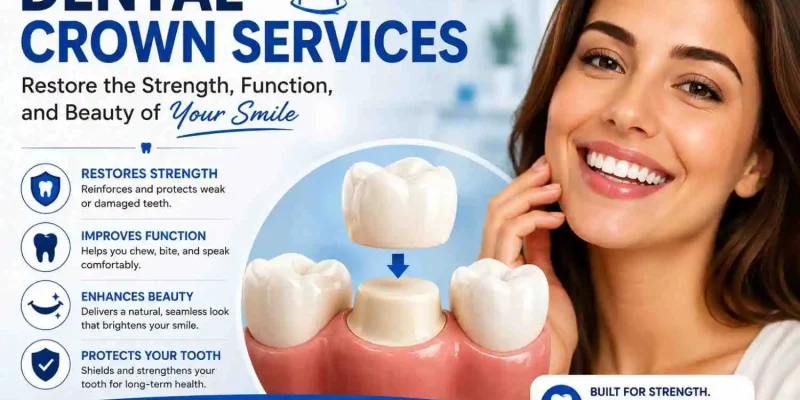
Introduction
Damaged, weakened, or severely decayed teeth can affect both your oral health and confidence. Fortunately, Dental Crown Services offer an effective solution to restore the strength, appearance, and functionality of affected teeth.
Dental crowns are among the most commonly recommended restorative treatments in modern dentistry, helping patients protect and preserve their natural teeth for years to come.
Whether you have a cracked tooth, a large filling, or have recently undergone root canal treatment, dental crowns can provide long-lasting protection and support.
What Are Dental Crowns?
A dental crown is a custom-made cap that covers the entire visible portion of a damaged tooth. It is designed to restore the tooth’s shape, size, strength, and appearance while protecting it from further damage.
Dental crowns are carefully crafted to match the color and contour of your natural teeth, ensuring a seamless and natural-looking smile.
Key Features of Dental Crowns
- Covers and protects damaged teeth
- Restores chewing function
- Improves tooth appearance
- Strengthens weakened teeth
- Long-lasting restorative solution
- Custom-designed for each patient
When Are Dental Crown Services Needed?
Dentists may recommend dental crowns for a variety of reasons.
Common Situations That Require Dental Crowns
- Severely decayed teeth
- Cracked or fractured teeth
- Worn-down teeth
- Large fillings that weaken the tooth structure
- Root canal-treated teeth
- Cosmetic smile improvements
- Dental implant restorations
- Replacement of old or damaged crowns
Dental crowns help preserve natural teeth while preventing the need for extraction whenever possible.
Types of Dental Crowns
Several materials are available depending on your needs, budget, and aesthetic goals.
Porcelain Crowns
Porcelain crowns closely resemble natural teeth and are commonly used for front teeth restorations.
Ceramic Crowns
Ceramic crowns provide excellent aesthetics and are ideal for patients with metal allergies.
Zirconia Crowns
Zirconia crowns are highly durable and offer a combination of strength and aesthetics.
Porcelain-Fused-to-Metal Crowns
These crowns combine the strength of metal with the appearance of porcelain.
Metal Crowns
Metal crowns are exceptionally durable and are often used for back molars where chewing forces are greatest.
The Dental Crown Procedure
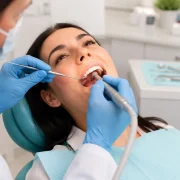
Step 1: Examination and Consultation
Your dentist examines the affected tooth and determines whether a crown is the most suitable treatment option.
Step 2: Tooth Preparation
A small amount of tooth structure is reshaped to accommodate the crown.
Step 3: Impressions
Digital scans or impressions are taken to create a custom crown.
Step 4: Temporary Crown Placement
A temporary crown may be placed while the permanent crown is being fabricated.
Step 5: Final Crown Placement
The permanent crown is bonded securely to the prepared tooth.
Benefits of Dental Crown Services
Dental crowns provide both functional and cosmetic advantages.
Major Benefits
- Protect weakened teeth
- Restore normal chewing ability
- Improve smile aesthetics
- Prevent further tooth damage
- Enhance tooth durability
- Support long-term oral health
- Match natural tooth color
How Long Do Dental Crowns Last?
With proper care, dental crowns can last between 10 and 15 years or even longer.
To maximize their lifespan:
- Brush twice daily
- Floss regularly
- Avoid chewing hard objects
- Wear a nightguard if you grind your teeth
- Visit your dentist regularly
Conclusion
Dental Crown Services play an essential role in modern restorative dentistry. Whether you need to protect a damaged tooth, improve your smile, or restore function after treatment, dental crowns provide a durable and natural-looking solution. Consulting with an experienced dentist can help determine the best type of crown for your specific needs.
FAQs
1. What is the purpose of a dental crown?
A dental crown protects and restores a damaged, weakened, or cosmetically imperfect tooth.
2. How long does a dental crown procedure take?
Most treatments require two visits, although same-day crowns may be available in some dental clinics.
3. Are dental crowns permanent?
Dental crowns are long-lasting but may eventually need replacement due to normal wear.
4. Do dental crowns look natural?
Yes. Modern porcelain and ceramic crowns are designed to closely resemble natural teeth.
5. Is getting a dental crown painful?
The procedure is typically performed under local anesthesia, making it comfortable for most patients.















Comments